






Westbourne Grove shop relocation case study using local removals
Posted on 26/06/2026
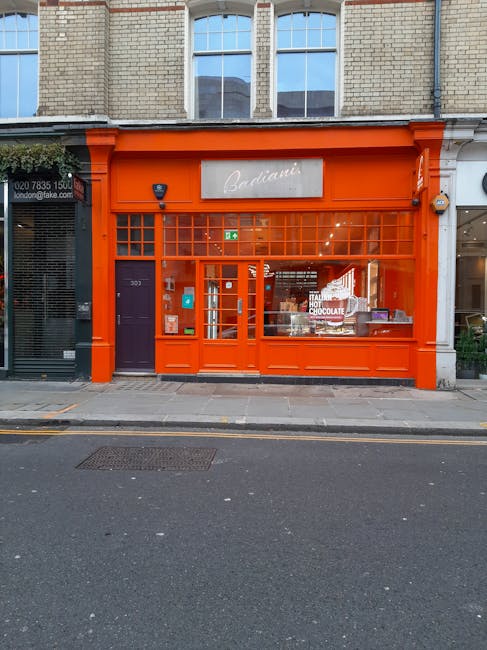
Westbourne Grove Shop Relocation Case Study Using Local Removals
Relocating a shop in Westbourne Grove is rarely just a matter of moving boxes from one address to another. You have stock, fixtures, display pieces, till points, signage, and a trading schedule that probably can't afford much disruption. That is exactly why a Westbourne Grove shop relocation case study using local removals is so useful: it shows how a nearby, well-planned move can reduce downtime, protect fragile items, and keep the whole process calm enough to stay commercial, not chaotic.
In this article, we'll walk through the practical side of a local retail move, from planning and access checks to packing, loading, storage decisions, and post-move setup. If you're weighing up options, this should help you see what good looks like in the real world. And yes, shop moves in London can be a bit of a headache. But they don't have to be a disaster.
Why Westbourne Grove shop relocation case study using local removals Matters
Westbourne Grove sits in a busy, visually sensitive part of London where footfall, narrow access points, parking pressure, and time constraints all shape how a retail move needs to be handled. A local removals team understands that a shop relocation here is not an abstract logistics exercise. It's a live operational problem with customers, neighbours, and opening hours on the line.
A good case study helps because it shows the moving parts working together: planning, packing, vehicle choice, route choice, and timing. It also highlights the bits people often forget until the last minute. For example, retail signage may need careful handling, display shelving may be awkward to dismantle, and stock rooms can become a tangle of mixed priorities if they aren't sorted properly beforehand.
Local removals matter even more in this part of West London because there's very little margin for wasted time. A van blocked at the wrong moment, or a team arriving without the right lifting gear, can throw off the entire day. That's why businesses tend to value a team that knows the area and can adapt quickly. In our experience, that local familiarity often saves more time than people expect.
Expert summary: the best shop relocations are not the fastest ones on paper; they're the ones that preserve stock, reduce downtime, and keep the move controlled from first lift to final shelf reset.
If you want broader context on how a local removals company presents its approach to service, it can be worth reading the about us page and the services overview before you compare providers.
How Westbourne Grove shop relocation case study using local removals Works
A smart retail relocation is usually built in stages. The idea is to separate decision-making from lifting, because once the van arrives, the clock starts ticking. That sounds obvious, but plenty of moves fail because the team is still deciding what goes where while the doorway is already full of boxes.
Here's the usual flow:
- Site review and access check. Measure doorways, stairwells, corridors, and loading access. Confirm vehicle access, timing restrictions, and any awkward turns. London streets have a way of punishing vague assumptions.
- Inventory and item grouping. Split stock, fixtures, sensitive items, and waste. A small retail unit can still have a surprising amount of fragile kit.
- Packing and protection. Wrap breakables, label boxes by zone, and protect display materials with proper padding. Good packing is a time-saver later.
- Loading sequence. Heavy or bulky items go in first, lighter and more fragile items later, with clear load balancing in the vehicle.
- Transport and delivery. A local route is chosen with access, parking, and turnaround time in mind. Shorter trips help, but only if loading is organised.
- Unloading and placement. Goods are not just dumped at the destination. They are positioned by department or function so reopening is quicker.
For shops, the move may also include temporary storage. That becomes especially relevant when the new unit is not ready, refurb works run late, or stock needs to be held safely before reopening. If that sounds familiar, the page on storage in Ladbroke Grove is a useful companion read.
The practical advantage of a local removals approach is speed of response. Need to adjust the schedule because keys are delayed? Need a second run for overflow stock? That is much easier to manage when the removals team is already close by and used to London's little surprises.
Key Benefits and Practical Advantages
To be fair, the word "benefit" gets overused online. But in a retail relocation, the real benefits are concrete and measurable in day-to-day business terms.
- Less trading disruption: a well-run local move can reduce the time your shop is effectively offline.
- Better protection for inventory: proper packing and handling reduce breakage, scuffing, and losses.
- Faster turnaround: local crews can often work around tighter schedules and shorter transit times.
- Improved access planning: people who know the area are better at anticipating parking, loading, and congestion issues.
- More efficient use of labour: the team can be sized to the job instead of over- or under-resourced.
- Lower stress for staff: when the process is structured, shop teams can stay focused on reopening rather than firefighting.
There is also a less obvious benefit: a local removals job often creates a cleaner handover between the old and new premises. That matters if the shop is moving into a smaller unit, changing layout, or splitting stock between selling space and backroom storage. If you're planning a more complex setup, see how office removals in Ladbroke Grove are approached, because the same discipline around paperwork, access, and sequencing often applies.
Another practical win is flexibility. Sometimes the move starts as a standard relocation and becomes a partial storage move, or a same-day transfer of high-priority items. A local team can usually adapt faster than a distant one.
Who This Is For and When It Makes Sense
This type of relocation is a strong fit for independent retailers, boutiques, salons with retail stock, studios with a front-of-house display, and small businesses that rely on a tidy customer-facing space. It also suits seasonal businesses that need to move between pop-up sites or reconfigure stock before a busy period.
It makes sense when:
- you need to move within Westbourne Grove or nearby streets
- the shop contains mixed items: stock, shelving, POS equipment, and display materials
- you need a short turnaround between closing one site and opening another
- the new premises are not yet fully ready and you need a staged move
- you are trying to avoid long gaps in trading
It may be less suitable if the relocation is extremely large, requires specialist crating for museum-grade items, or involves a full refit with multiple trades working at once. In those cases, the removals element is only one part of the project. That doesn't make local removals less useful, though. It just means they need to be folded into the wider plan.
Smaller businesses often underestimate how much easier the move becomes once they commit to a clear process. A shop owner I spoke with recently described it as "boringly organised" by the end, which honestly is exactly what you want. No drama. Just boxes, labels, and a key handover that actually works.
Step-by-Step Guidance
If you want the move to run smoothly, think in terms of preparation, not heroics. A lot of stress disappears once each task has a place.
1. Confirm the move window early
Choose a realistic time window for closing, dismantling, loading, and reopening. Retail moves often take longer than expected because there's more variety in what needs handling. A late-evening move or an early-morning start can be ideal if you need to avoid customer disruption.
2. Build a simple inventory
List the items that matter most: high-value stock, fragile display pieces, furniture, mirrors, signage, electronics, and supplies. Don't overcomplicate it. The goal is clarity, not museum cataloguing.
3. Declutter before packing
Anything broken, out of season, or no longer needed should be removed before the move. That lowers volume and reduces confusion at the destination. If you need a structured approach, the guide to pre-move decluttering is genuinely useful.
4. Use the right packing materials
Choose sturdy boxes, protective wrap, tape, corner guards, and labels. Stock should be grouped by type and fragility. A display mirror does not belong in the same box as loose hardware. That seems obvious until the last hour of packing, when chaos has its own little way of sneaking in.
5. Protect shelving and fixtures properly
Some items are better dismantled than moved intact. Flat-pack style shelving may travel well if clearly labelled and bagged with its fixings. Heavier bespoke pieces may need furniture protection and careful handling. The page on furniture removals in Ladbroke Grove is relevant here because shop fixtures often behave more like furniture than people expect.
6. Load in the correct order
Keep heavier, sturdier items lower down and more fragile goods secured above them. Make sure the unload order matches the setup order at the new shop. That one small decision can save a lot of back-and-forth.
7. Reopen in zones
Set up priority areas first: till point, key stock lines, customer entry zone, and any display area that drives early sales. You don't need everything perfect on minute one. You just need the right things visible and functional.
That's the move in a nutshell. Not glamorous, maybe. But effective.
Expert Tips for Better Results
The biggest improvements often come from small habits, not grand gestures. Here are the things experienced removals teams tend to look for straight away.
- Label by destination, not just contents. "Back room," "front display," and "stock shelf 2" are more useful than vague box names.
- Keep a first-open crate. Put the essentials in one container: keys, tape, scissors, chargers, wipes, basic tools, and a copy of the inventory.
- Photograph setups before dismantling. Especially useful for displays, fixtures, and cable-heavy equipment.
- Check transport access twice. Westbourne Grove can be straightforward one minute and awkward the next, especially if loading space tightens up.
- Plan for weather. Rain is not rare enough to ignore. Protect stock and packaging from wet pavements and damp air.
- Separate "urgent to reopen" stock from the rest. That makes the first trading day easier.
One sensible habit is to keep a short move-day contact list with the removals lead, shop owner, landlord or agent, and whoever has the keys. It sounds basic. It is basic. And yet, missing one number can waste half an hour, which on moving day feels like forever.
If you want to compare different ways of moving items, the article on man with a van in Ladbroke Grove and the one on man and van services can help you understand what style of support is likely to fit a smaller shop move.

Common Mistakes to Avoid
Most relocation problems are predictable. That's the annoying part. The good news is they're avoidable if you know where the traps are.
- Leaving packing until the last day. This creates rushed decisions and damaged items.
- Underestimating access issues. If the van cannot park close enough, every item takes longer to move.
- Failing to separate stock from waste. Old packaging, broken shelving, and sale stock should not travel together.
- Forgetting the reopening sequence. Moving is only half the job. Reopening is the rest of it.
- Choosing the wrong vehicle size. Too small and you make extra trips; too large and the access may become awkward.
- Not briefing staff. Even a small team needs to know what's happening and when.
There's also a common budget mistake: people compare the headline price but ignore the hidden friction. Lost time, damaged goods, and extra labour can cost more than the move itself. If you want a practical view of that issue, read how to avoid hidden removals costs.
And honestly, another mistake is assuming the move will "sort itself out" because it's local. It won't. Local helps, yes. But planning is still doing the heavy lifting.
Tools, Resources and Recommendations
You do not need a mountain of equipment to run a good shop relocation, but you do need the right basics. The best toolkit is usually simple and practical.
- Strong moving boxes for stock, paperwork, and small fixtures
- Bubble wrap, paper wrap, and blankets for fragile or scuffed surfaces
- Labels and marker pens for clear sorting
- Ratchet straps or tie-downs to secure items in the van
- Hand trucks and dollies for heavier loads
- Basic tool kit for dismantling shelves, rails, and fittings
- Cleaning supplies for both the old and new site
For packing support, the page on packing and boxes in Ladbroke Grove is a practical reference point. If the move involves wider preparation at the property, the guide to packing strategies for moving day and the article on cleaning before moving both fit neatly into the same planning stage.
One more thing: if your relocation includes a period in storage, choose a storage arrangement that makes re-delivery easy. It's no good if the stock is safe but impossible to retrieve quickly. A simple system beats a clever one every time.
Law, Compliance, Standards, or Best Practice
For shop relocations, compliance is mostly about sensible UK business practice, safety, and avoiding preventable disruption. You do not need to turn the move into a legal seminar, but a few principles should be respected.
First, any team handling heavy or awkward items should work in line with safe manual handling practice. That means using suitable lifting techniques, not overloading individuals, and using equipment when the item or route makes it sensible. The page on health and safety policy is relevant as a reminder that good moving work is also safe moving work.
Second, access and parking need attention. In central and West London, loading bays, time restrictions, and narrow streets can affect how the move is staged. Sometimes a route that looks simple on a map is awkward in reality. A local team that has worked nearby before is usually better positioned to anticipate that.
Third, insurance matters. Even careful moves can involve accidental knocks or weather-related issues. It is worth confirming what cover is in place and what exclusions apply. That way expectations stay realistic, which is healthier for everyone.
Fourth, if your move affects waste disposal, packaging recycling, or unwanted fixtures, handle it responsibly. The page on recycling and sustainability is a helpful reminder that a move can be tidy without being wasteful.
Finally, keep your own records in order. Inventory sheets, key handover notes, and any agreement about access or timing should be clear before the moving day starts. That reduces confusion. And if something changes, you have a reference point.
Options, Methods, or Comparison Table
Shop owners often compare a few different ways of moving. The table below gives a simple, practical view.
| Method | Best for | Strengths | Trade-offs |
|---|---|---|---|
| Local man and van move | Small shops, light stock, short distances | Flexible, fast, useful for compact relocations | May need multiple runs if the inventory is larger than expected |
| Full removals team | Busy shops, mixed fixtures, heavier loads | More labour support, better for larger or more complex moves | Usually higher cost than a small team |
| Staged move with storage | Refits, delayed keys, reopening gaps | Reduces pressure on opening day and helps organise stock flow | Needs careful labelling and scheduling |
| Same-day rescue move | Last-minute changes or urgent closures | Speed and responsiveness when plans change suddenly | Less room for preparation, so not ideal for everything |
If you're wondering which model fits best, the answer usually depends on access, item volume, and how quickly you need to trade again. There isn't one perfect option. There's just the one that fits the reality of the move.
For readers comparing quicker-response options, same-day removals in Ladbroke Grove and same-day availability near Ladbroke Grove station are worth looking at if timing is tight. If access is likely to be tricky, the article on Westway access problems and furniture removals is also a smart read, even for Westbourne Grove moves, because many of the access lessons are similar.
Case Study or Real-World Example
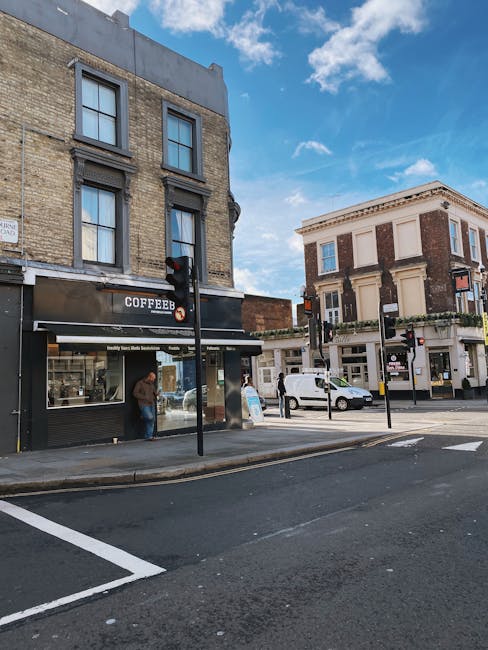
Here's a practical example of how this kind of move can work without turning into a drama. A small Westbourne Grove shop needed to relocate to a nearby unit with only a short gap between closing the old premises and opening the new one. The business had a mixed load: stock, display items, a till area, shelving, boxed supplies, and a few awkward decorative pieces that were too valuable to treat casually.
The first step was a quick but thorough walkthrough. The team checked door widths, stair access, and where the van could stop without getting in the way of neighbouring traffic. That sounds ordinary, but it prevented the biggest moving-day problem before it happened. One minute spent checking can save twenty later. Easy maths, but easy to ignore.
Next came sorting. Stock was separated by category, the display items were packed for quicker reassembly, and anything non-essential was removed. The owner had originally planned to "just take everything and sort it later," which, to be fair, is how many people start. But once the list was broken down properly, the move got lighter and quicker.
On moving day, the team loaded the fixtures first, then the stock, then the fragile items with clearer handling instructions. The new premises were set up in zones: back stock, customer display, and front counter. That meant the shop could begin trading again sooner, even though not every shelf was perfect immediately. Which, honestly, is fine. A functional shop that opens on time beats a polished one that opens late.
The result was a controlled relocation with less downtime than the owner had feared. There were still a few awkward moments, as there always are in London moves - a narrow entrance here, a slightly heavier crate there - but nothing derailed the day. That's the real value of a local removals approach: it gives you enough flexibility to handle the odd surprise without losing the plot.
Practical Checklist
Use this as a working checklist before the move begins.
- Confirm the move date, access window, and key handover details
- Walk through both premises and note any tight access points
- Build a simple inventory of stock, fixtures, and fragile items
- Separate items to keep, move, store, recycle, or dispose of
- Gather boxes, wrap, labels, tape, and protective materials
- Photograph dismantling points and display setups
- Set aside a first-open crate with essentials
- Brief staff on what will happen and when
- Check insurance, handling expectations, and any special instructions
- Plan the unloading order for the new shop
- Keep contact details for the move lead and keyholder close at hand
- Schedule cleaning for the old and new site if needed
If the move is part of a larger home-to-business or mixed premises transition, the pages on removals in Ladbroke Grove and removal services in Ladbroke Grove can help you see the broader service picture.
Conclusion
A Westbourne Grove shop move works best when it is treated like a business process, not a transport problem. That means planning the access, trimming the inventory, protecting the right items, and choosing a removals setup that fits the shop's size and schedule. A local team helps because it brings speed, area knowledge, and flexibility when something changes at the last minute. And something usually does.
The real lesson from this case study is simple: the move becomes easier once the work is broken into clear stages. Sort first, pack properly, load in sequence, and reopen with priorities in mind. It sounds almost too straightforward, but that's usually the point. Good removals are built on ordinary discipline, repeated well.
Get a free quote today and see how much you can save.
And if you're still in the planning stage, that's perfectly fine. A calm, well-timed move is worth waiting for - especially when the shop lights come back on and everything is where it should be.

