




Kensington and Chelsea council permits for Ladbroke Grove removals
Posted on 14/05/2026
Kensington and Chelsea council permits for Ladbroke Grove removals: a practical guide for a smoother move
Moving in Ladbroke Grove sounds simple enough until the van arrives and the street tells you a different story. Controlled parking bays, narrow roads, busy drop-off points, residents' zones, and the odd awkward corner can turn a straightforward house move into a very tense morning. That is exactly why understanding Kensington and Chelsea council permits for Ladbroke Grove removals matters before lift-off day, not halfway through it.
This guide breaks down what the permit issue usually means in plain English, how it affects your moving plan, and what to think about if you are booking a man and van, a larger removal van, or a full house move. We will also cover common mistakes, practical steps, and a few local realities that people only notice once a van is already circling the block. Truth be told, that is the wrong time to be learning the rules.
If you are planning a move and want a broader look at services, it can help to start with the site's services overview and then narrow down the best fit for your property type, timeframe, and access needs.

Why Kensington and Chelsea council permits for Ladbroke Grove removals Matters
At a basic level, a permit is about making sure your removal vehicle can legally stop, load, and unload where it needs to. In an area like Ladbroke Grove, that can be the difference between a calm move and a chain reaction of delays. One blocked bay can mean a longer carry, more time on the meter, extra stress for everyone, and in some cases a penalty you absolutely did not budget for.
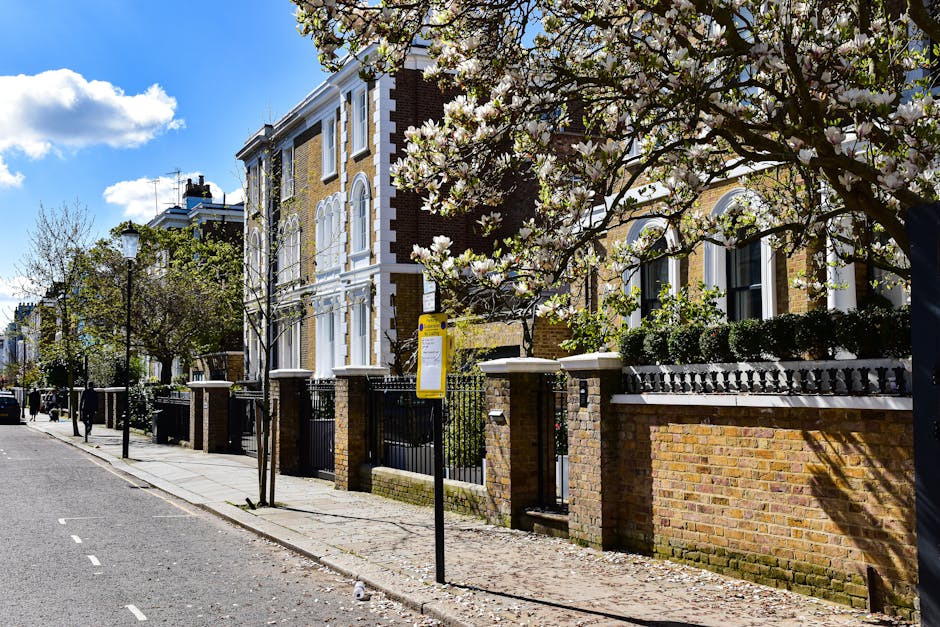
London streets are rarely designed for easy removal access. Around Ladbroke Grove, you may be dealing with controlled parking zones, loading restrictions, narrow terraces, and short windows where stopping is sensible but not always simple. If your move involves a larger van or more than a few trips, council permissions become part of the logistics, not an afterthought.
There is also the practical human side. A removal team that can park close to the property tends to work faster, safer, and with far less strain on your furniture and flooring. A sofa carried a shorter distance is less likely to pick up scuffs, and your back will thank you too. Not dramatic, just true.
For people moving out of a flat, family home, or a shared rental, planning the parking side early can also help you decide whether you need flat removals in Ladbroke Grove, house removals in Ladbroke Grove, or a smaller vehicle option like man and van services in Ladbroke Grove.
How Kensington and Chelsea council permits for Ladbroke Grove removals Works
The exact process depends on the location, the type of vehicle, the length of time needed, and the rules that apply to the street or bay you want to use. In practice, the permit question usually comes down to three things: where the van will stop, how long it will stay, and whether the space is otherwise restricted.
Some removal jobs can be managed by using a legal loading bay or a brief stopping window. Others need a temporary permit or another form of parking permission. That may be handled by the customer, the removal company, or sometimes both, depending on what has been agreed and what the property access looks like. There is no one-size-fits-all answer, which is exactly why it is worth checking early.
Here is the simple way to think about it:
- Short stop, easy access: you may only need to rely on a lawful loading position, provided the street rules allow it.
- Longer stop or large load: a council permit or pre-arranged parking solution may be needed.
- Tight street, controlled bay, or busy road: careful pre-planning becomes essential.
If the move includes bulky furniture or a lot of boxed items, it is usually worth pairing parking planning with proper packing support. The guides on packing and boxes in Ladbroke Grove and moving-day packing strategies are useful for reducing the number of trips in and out of the building.
One thing people often miss: the permit is only part of the story. Access on the pavement, stair width, lift availability, resident access codes, and even where the front door opens can all affect whether the plan works smoothly. A permit without a practical unload plan is, frankly, only half a permit.
Key Benefits and Practical Advantages
Getting the parking and permit side right has a few clear advantages. Some are obvious, some only become obvious after a frustrating first attempt. Either way, they matter.
1. Less delay on the day
When the vehicle can park where it should, the team can load and unload without wasting time hunting for spaces or moving equipment farther than necessary. That keeps the move on schedule, which matters if you have a building handover, a key collection time, or a narrow moving slot.
2. Lower risk of damage
The shorter the carry from van to property, the lower the chance of bumps, dropped items, scratched furniture legs, or damaged door frames. That does not mean problems disappear entirely, of course, but good parking access definitely helps.
3. Better safety for everyone
Removal work often involves awkward loads, busy pavements, and people trying to squeeze past with shopping bags, bikes, or dogs. If the team is forced to improvise in traffic or carry items too far, safety becomes harder to maintain. A sensible parking plan supports safer handling.
4. More accurate scheduling and pricing
Where access is uncertain, jobs can take longer than expected. If your provider knows the parking situation in advance, they can quote more accurately and recommend the right vehicle size or team setup. For a clearer idea of how estimates are put together, see the page on pricing and quotes.
5. Less stress on moving day
Lets face it, moving is already a lot. If you do not have to stand at the window wondering whether the van can legally stop, you have one less thing to worry about. That is a small win, but on moving day small wins are worth gold.
Who This Is For and When It Makes Sense
Not every Ladbroke Grove move needs the same level of parking planning. Some are easy, some are tricky, and some look easy until the van actually appears. The permit question is most relevant if you are in one of the following situations:
- you are moving from a flat in a controlled parking area
- you live on a busy road or a street with limited stopping space
- your property is in a terrace with tight access
- you are moving with a larger van or multiple loads
- you need a timed collection or delivery window
- your move includes heavy or fragile items that should not be carried far
Students moving into shared accommodation often underestimate access issues, especially when a quick move turns into three trips because the van could not get close enough. For those moves, the dedicated student removals in Ladbroke Grove page is worth a look.
Office relocations, piano moves, and larger home moves almost always benefit from proper planning. If your job involves specialist handling, the parking issue becomes even more important because the crew may need a wider, safer working zone. That is particularly true for office removals in Ladbroke Grove and piano removals in Ladbroke Grove.
Step-by-Step Guidance
Here is a practical way to approach the permit and parking side of the move without overcomplicating it.
- Check your street conditions early. Look at the signs outside your property, note any residents' bays, loading restrictions, and time limits. Do not rely on memory. Streets change, signs get updated, and it only takes one missed plate to cause trouble.
- Measure access realistically. Think about the van length, the turning space, the distance from bay to doorway, and whether there is room for loading. If you have large furniture, this matters more than you might expect.
- Decide what kind of vehicle you need. A small move might suit a man with a van in Ladbroke Grove, while a full house move may need a larger removal van in Ladbroke Grove.
- Confirm whether a council permit or parking solution is needed. If the street is controlled or the move is likely to take time, get the parking question answered before the date is fixed.
- Match the parking plan to the move plan. A permit alone is not enough if your boxes are not packed, your furniture is not dismantled, or your lift is not booked. The moving chain has to work together.
- Share the access details with your removal provider. Tell them about narrow hallways, stair-only access, permits, loading bays, and any time constraints. Good communication avoids awkward surprises.
- Build in a small buffer. Even when everything is planned properly, London traffic, neighbours, and one-way systems can create delays. A little buffer helps enormously.
If you are still refining the moving plan, the article on Ladbroke Grove removals for Portobello Road moves is a useful companion read because the local access issues overlap quite a bit.
Expert Tips for Better Results
After a while, you notice the same patterns on London moves. The jobs that go smoothly are usually not the lucky ones. They are the organised ones. Small things make a big difference.
- Take photos of street signs and the front of the property. It sounds minor, but it helps everyone confirm the setup quickly. Handy if there is any confusion later.
- Book the moving slot with the parking reality in mind. Morning moves often work better where parking is tight, though that depends on your area and building access.
- Break down bulky furniture where possible. A dismantled bed frame or table can reduce the need for extra manoeuvring. For more on this, the guide to moving beds and mattresses like a pro is genuinely helpful.
- Use the right protection for furniture. Blankets, covers, wrap, and decent boxes make the whole day more forgiving. If you are moving sofas or storage items, the tips on keeping sofas in good condition during storage can also help you think about protection.
- Keep one person free to manage access. Someone needs to be available to answer the buzzer, guide the van, or keep an eye on the parking situation while everything else is happening.
A small aside, but an honest one: moving day has a way of making intelligent adults stand in the hallway saying, "Wait, where did we put the kettle?" Planning the permit and parking side in advance means you are much less likely to have those moments.
And if you are doing a larger declutter first, the article on pre-move decluttering can reduce the load enough to simplify the van plan altogether. Less stuff, less fuss. Usually.
Common Mistakes to Avoid
Permit-related problems are often avoidable. The tricky part is that people only recognise them after the delay has already happened. Here are the big ones.
- Assuming parking will be fine on the day. That is probably the most common mistake. Streets can look calm at 7am and full by 9am.
- Leaving permit questions until the week of the move. By then, choices are narrower and pressure is higher.
- Booking the wrong size vehicle. A van that is too large can be harder to position in a tight street, while a van that is too small means more journeys.
- Not checking loading restrictions. A bay can look usable and still be restricted at the relevant time. Signs matter. A lot.
- Failing to tell the removal company about stairs or awkward entry points. This affects timing, handling, and sometimes the parking strategy too.
- Overpacking boxes. Heavy boxes take longer to move and make parking issues worse because every trip becomes slower and more tiring.
There is also a quieter mistake: not reading the move as a whole. Parking, packing, access, and timing all sit together. If one bit is off, the others feel it.
Tools, Resources and Recommendations
You do not need a toolkit full of gadgets to manage a local move properly, but a few practical resources make life easier.
| Tool or Resource | Why it helps | Best for |
|---|---|---|
| Street sign photos | Confirms restrictions and loading rules | Checking local parking details |
| Floor plan or room list | Helps plan box placement and van loading order | House and flat moves |
| Strong tape and labels | Makes unloading quicker and less chaotic | Any move with multiple rooms |
| Furniture covers and wraps | Protects items during short carries and loading | Sofas, wardrobes, appliances |
| Access notes for the building | Stops confusion over lifts, gates, or entry codes | Flats, managed buildings, offices |
If you need extra help with the practical side, the site's packing and boxes service can support a more structured move, while storage in Ladbroke Grove may be useful if your dates do not line up neatly. Happens more often than people think.
For trust and safety reassurance, it is sensible to read the company's insurance and safety information and health and safety policy before booking. Those pages are boring in the best possible way.
Law, Compliance, Standards, or Best Practice
Parking and loading in London are governed by local restrictions, street signage, traffic rules, and council procedures. Because these can vary by street and can change over time, the safest approach is to verify the current position rather than assume last month's arrangement still applies.
From a best-practice point of view, a removal job should be planned so that:
- the vehicle parks legally and safely
- loading does not obstruct pedestrians or traffic unnecessarily
- the crew can move items without risky long carries
- the customer understands any parking responsibility they hold
- the move is documented clearly enough to avoid confusion
There can also be building rules to consider, especially in managed flats or mixed-use properties. In those situations, the council permit question is only one layer. Building management may have its own booking window, lift booking process, or access conditions. If your move is in a block, check that side too. It is easy to overlook, and then the lift is suddenly booked for someone else.
Where a permit is needed, make sure there is enough lead time to arrange it correctly and to align it with your moving slot. If you are unsure who is responsible for the permit, ask before you confirm the date. That one conversation can save a surprising amount of stress.
Options, Methods, or Comparison Table
Most Ladbroke Grove removals end up using one of a few practical approaches. The right one depends on the property, the street, and the load.
| Approach | Best for | Pros | Watch-outs |
|---|---|---|---|
| Small van / man and van | Studios, smaller flats, lighter loads | Easier to position, flexible, often simpler in tighter streets | May require more trips if the load is larger than expected |
| Standard removal van | Typical house or flat moves | Good balance of space and practicality | Can be harder to park on narrower roads |
| Pre-booked parking/permit plan | Controlled streets or timed access moves | More certainty, fewer day-of surprises | Needs early organisation and clear responsibility |
| Split move with storage | Moves with date gaps or access issues | More flexibility, less pressure on the day | Extra planning and potential additional handling |
If your move is unusually time-sensitive, a same-day option may help, but only if access and parking are genuinely workable. See the dedicated page on same-day removals in Ladbroke Grove for situations where speed matters and the scope is still manageable.
Case Study or Real-World Example
Picture a typical morning in Ladbroke Grove. A tenant is moving out of a first-floor flat with a sofa, a bed frame, boxes of books, and a fridge freezer that takes up more than its fair share of the hallway. The street has limited stopping room, and there is a controlled parking bay close to the property. Without any planning, the van would probably end up parked too far away, which means a longer carry, a slower load, and a lot more effort for everyone involved.
Instead, the move is planned around the street setup. The customer checks the parking signs, confirms the unloading point, and gives the moving team a heads-up about the staircase and the larger items. The boxes are labelled properly, the furniture is wrapped, and the bed is dismantled before the van arrives. The removal team can work methodically, the parking arrangement supports the job, and the move finishes without anyone muttering under their breath in the hallway. Which is always a good sign.
That kind of result is not about luck. It comes from tying together the permit question, access details, and the actual contents of the move. Simple, but not simplistic.
If you want a sense of the company behind these services, the about us page gives a useful overview of the local approach and service focus.
Practical Checklist
Use this checklist before moving day. Print it, copy it, scribble on it. Whatever works.
- Confirm the moving date and access window
- Check street signs outside the property
- Confirm whether Kensington and Chelsea council permit arrangements are needed
- Tell the removal company about stairs, lifts, gates, or narrow access
- Choose the right vehicle size for the load
- Label boxes by room and priority
- Disassemble large furniture where possible
- Protect fragile items and wrap furniture properly
- Keep important documents, keys, chargers, and valuables separate
- Leave a little time buffer for traffic and parking changes
- Check the building's moving rules if you live in a managed block
- Have a contact number ready on the day
A brief note on heavy items: if you are dealing with awkward or bulky belongings, it is worth reading the company's guide to solo heavy object lifting and the article on effective lifting technique. Even a small improvement in handling can make the whole move safer.
If you are moving furniture that may need special care, the pages on furniture removals in Ladbroke Grove and recycling and sustainability can help you think through what to move, what to store, and what to let go of. No point carting around a wobbly bookcase just because it has always been there.
Conclusion
Kensington and Chelsea council permits for Ladbroke Grove removals are not the most glamorous part of moving, but they are often one of the most important. Get the parking and access plan right, and the whole move becomes easier: less stress, fewer delays, safer handling, and a better experience from start to finish.
The trick is to treat permit planning as part of the move itself, not a separate admin task. Check the street, confirm the vehicle, share the access details, and line everything up before the van arrives. That kind of preparation is what turns a potentially messy day into an organised one.
Get a free quote today and see how much you can save.
If you are ready to plan your move properly, the next sensible step is to review your access needs, compare the available removal options, and speak with a local team that understands Ladbroke Grove's streets and the realities of working in Kensington and Chelsea. A calm move is possible. It really is.